
Who this is for
- Small landlords managing two- and three-family rentals across Lowell
- Property managers overseeing multi-unit portfolios with rolling lease turnover
- Condo associations in downtown mill-loft conversions
- Multifamily building owners with recurring make-ready work between tenants
- Mill-loft condo boards coordinating repairs across shared building stock
Turning a Unit Between Leases in Lowell
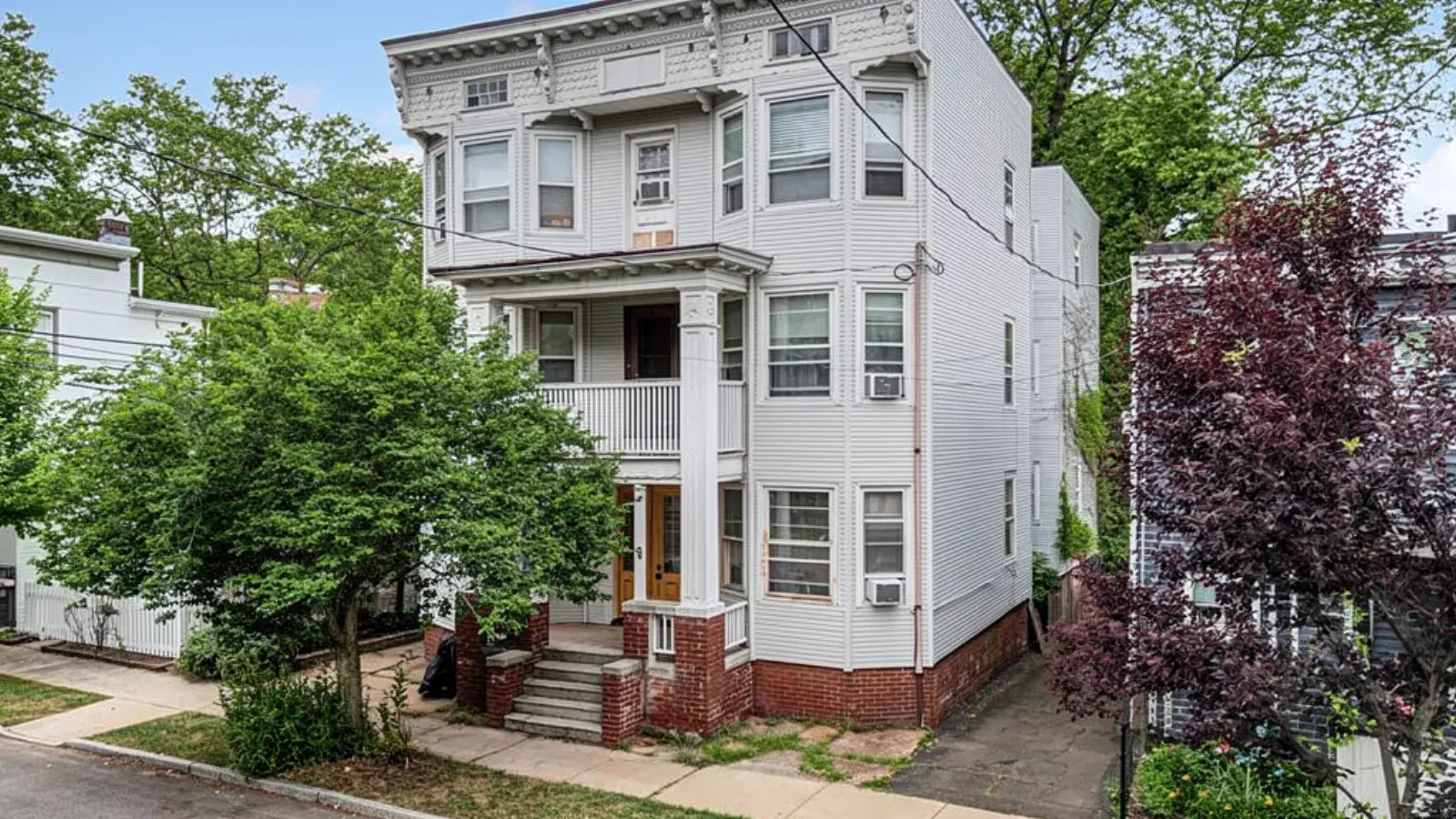
Lowell is a renter’s city. Roughly six in ten households here lease rather than own, and the housing stock leans heavily on triple-deckers and two-family houses in neighborhoods like Centralville, The Acre, and Back Central. That mix drives a kind of drywall work that a single-family remodel never sees: the turnover job, where a unit has to go from move-out to move-in ready on a landlord’s or property manager’s schedule, not a homeowner’s. Lowell Quality Drywall & Plaster builds its turnover process around that clock. A property manager with a lease starting in two weeks cannot wait for a crew to fit them in between kitchen remodels; the patch, tape, texture, and prime sequence has to run on its own compressed timeline, dry times included, so the unit shows clean at the walkthrough.
Occupied Neighbors, Not an Empty Site
A turnover unit rarely sits alone in an empty building. The unit next door, upstairs, or across the hall usually has a tenant living their normal life while the work happens. That changes how the job runs: dust containment at the unit’s entry, quiet hours respected, and debris carried out through common hallways without leaving a mess for other residents. A crew used to gutting an empty commercial shell has to unlearn that habit here. The building stays occupied and the work has to be invisible to everyone except the unit being turned.
Plaster in the Triple-Deckers
A large share of Lowell’s triple-decker stock still carries original plaster over wood lath rather than drywall. A patch crew that only knows drywall will botch a plaster wall, either by skim-coating over a crack that keeps coming back or by cutting into lath that was never meant to take a drywall patch. Lowell Quality Drywall & Plaster reads each wall before deciding: repair the plaster in kind, or convert the damaged section to drywall and blend the transition so it does not read as a patch. That plaster-to-drywall conversion call is a judgment a plaster-literate crew makes on site, not a default.
Lead-Safe Work in Pre-1978 Units
Much of Lowell’s rental housing predates 1978, which puts lead paint disclosure and containment rules in play on nearly every turnover. Lowell Quality Drywall & Plaster works as an EPA RRP Lead-Safe Certified Firm, which means plastic containment, wet sanding, and HEPA cleanup on any pre-1978 unit where paint gets disturbed. A property manager who skips this step is carrying real liability; a landlord who hires a crew without RRP certification is doing the same.
Texture Matching So the Patch Disappears
Every unit in a building can carry a different texture history: smooth walls in one, a light knockdown in another, orange peel left over from a decade-old renovation in a third. A patch that does not match the surrounding texture shows up immediately under a new tenant’s move-in lighting, and a property manager hears about it in the first week. Matching knockdown or orange-peel texture, feathering the joint compound out past the patch edge, and priming to an even sheen is what keeps a turnover invisible instead of obvious.
Mold-Resistant Board Where Units Run Damp
Basement-level units and laundry closets in older Lowell buildings run damp more often than upper floors. Where a wall has failed from repeated moisture rather than a one-time leak, Lowell Quality Drywall & Plaster swaps in mold-resistant board instead of repatching the same spot that will fail again next season.
Where This Work Concentrates in Lowell
Turnover volume in Lowell tracks the rental stock itself: dense triple-decker blocks in Centralville and The Highlands, mixed two- and three-family streets in Back Central and The Acre, and the downtown mill-to-loft condo conversions at Boott Mills, Massachusetts Mills, and Appleton Mills, where condo associations manage shared building systems across dozens of individually owned units.
Materials & standards
Products & materials we use
- USG Sheetrock
- National Gypsum Gold Bond
- Mold-resistant / purple board (M2Tech)
- Type X gypsum board
Standards & codes we work to
- MA 780 CMR (Massachusetts State Building Code)
- IBC Residential occupancy (R-2 multifamily)
- GA-214 gypsum board finish levels
- EPA RRP (Renovation, Repair and Painting Rule) for pre-1978 lead-safe work
What the terms mean
- Patch and feather
- Texture matching (knockdown, orange peel)
- Plaster-to-drywall conversion
- Unit-turnover work
- Mold-resistant board swap
- Joint compound, FibaTape, corner bead
The work this involves
The techniques that go into a project like this:
Frequently asked questions
Can you turn a unit around between tenants on a tight lease schedule? +
Yes. Lowell Quality Drywall & Plaster builds turnover jobs around the property manager's move-out and move-in dates, sequencing patch, tape, texture, and prime so the unit is ready before the next lease starts.
Will the patch match the existing texture, or will it show at the walkthrough? +
The crew matches the unit's existing texture, whether that is smooth, knockdown, or orange peel, and feathers the joint compound past the patch edge so the repair does not read as a repair once it is primed.
My building is an old triple-decker with plaster walls. Do you repair that the same way as drywall? +
No. Plaster over wood lath needs a different repair than drywall. Lowell Quality Drywall & Plaster assesses each wall and either repairs the plaster in kind or converts the damaged section to drywall with a blended transition, depending on the condition.
Are you certified to work in pre-1978 buildings with lead paint? +
Yes. Lowell Quality Drywall & Plaster is an EPA RRP Lead-Safe Certified Firm, which covers containment, wet sanding, and HEPA cleanup whenever paint is disturbed in a pre-1978 unit.
Can you work in one unit without disrupting the tenants living next door? +
Yes. Turnover work happens in occupied buildings, so containment stays inside the unit being worked, debris moves through common areas without leaving a mess, and the crew keeps quiet hours in mind.
Some of our units run damp, especially in basements and near laundry areas. What do you do differently there? +
Where a wall has failed from repeated moisture rather than a one-time leak, Lowell Quality Drywall & Plaster installs mold-resistant board instead of repatching the same spot, so it does not fail again next season.
Do you provide documentation for our property management or condo association records? +
Yes. Lowell Quality Drywall & Plaster holds MA CSL and MA HIC registration and can provide records of completed work for condo association or property management files.